 Emotional
The Great Campus Reset: Why Gen Z Is Walking Away from Hustle Culture and Fake Luxury



Featured Poll:
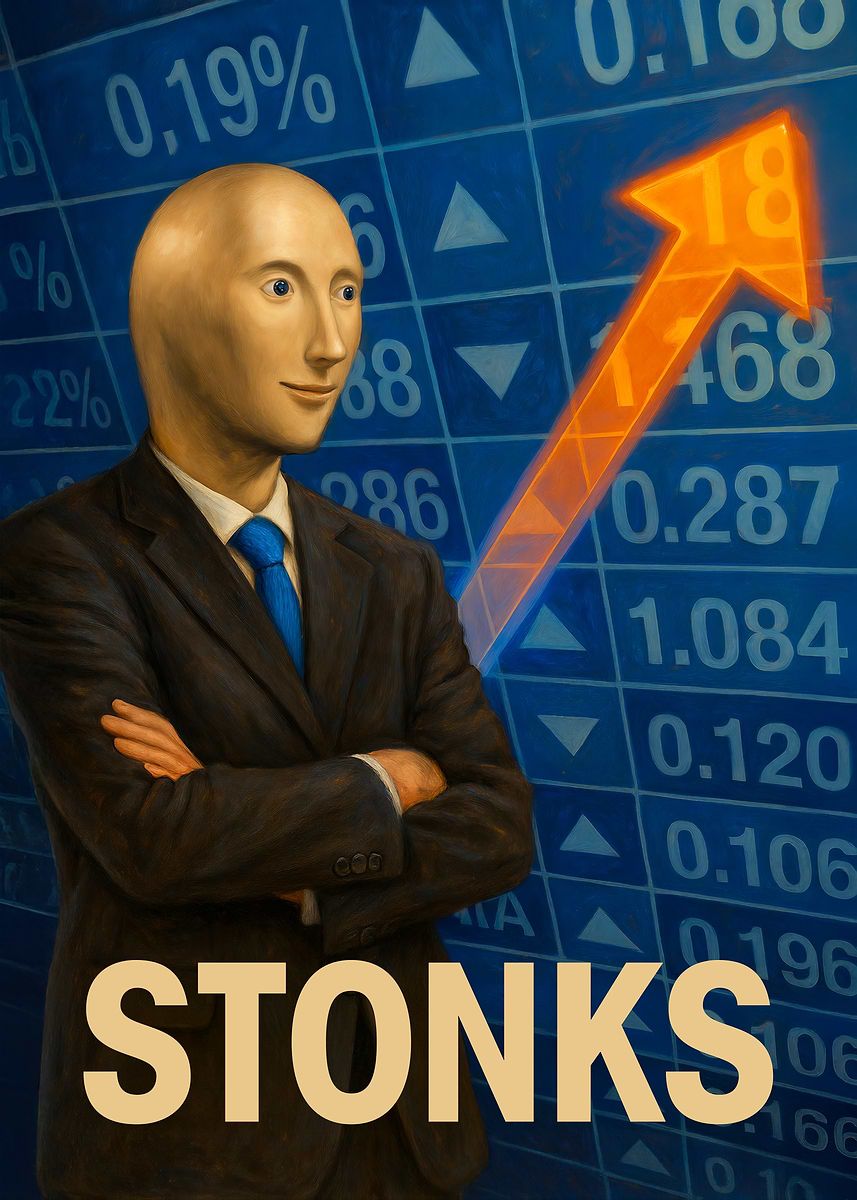
Question: "Which trend are you already tired of seeing everywhere? 📱" Options: Hustle culture | Fake luxury lifestyles
The Fall of the Performative Hustle
For years, the mainstream advice fed to college students was simple: wake up at 5 AM, work on three side hustles before morning lectures, study until midnight, and repeat without rest. Hustle culture romanticized burnout, portraying sleep deprivation and constant busy-ness as badges of honor.
Across Delhi NCR campuses, that narrative is losing its hold. Students have realized that non-stop grinding without adequate rest does not guarantee success—it guarantees burnout, health issues, and emotional exhaustion.
Calling Out the Fake Luxury Facade
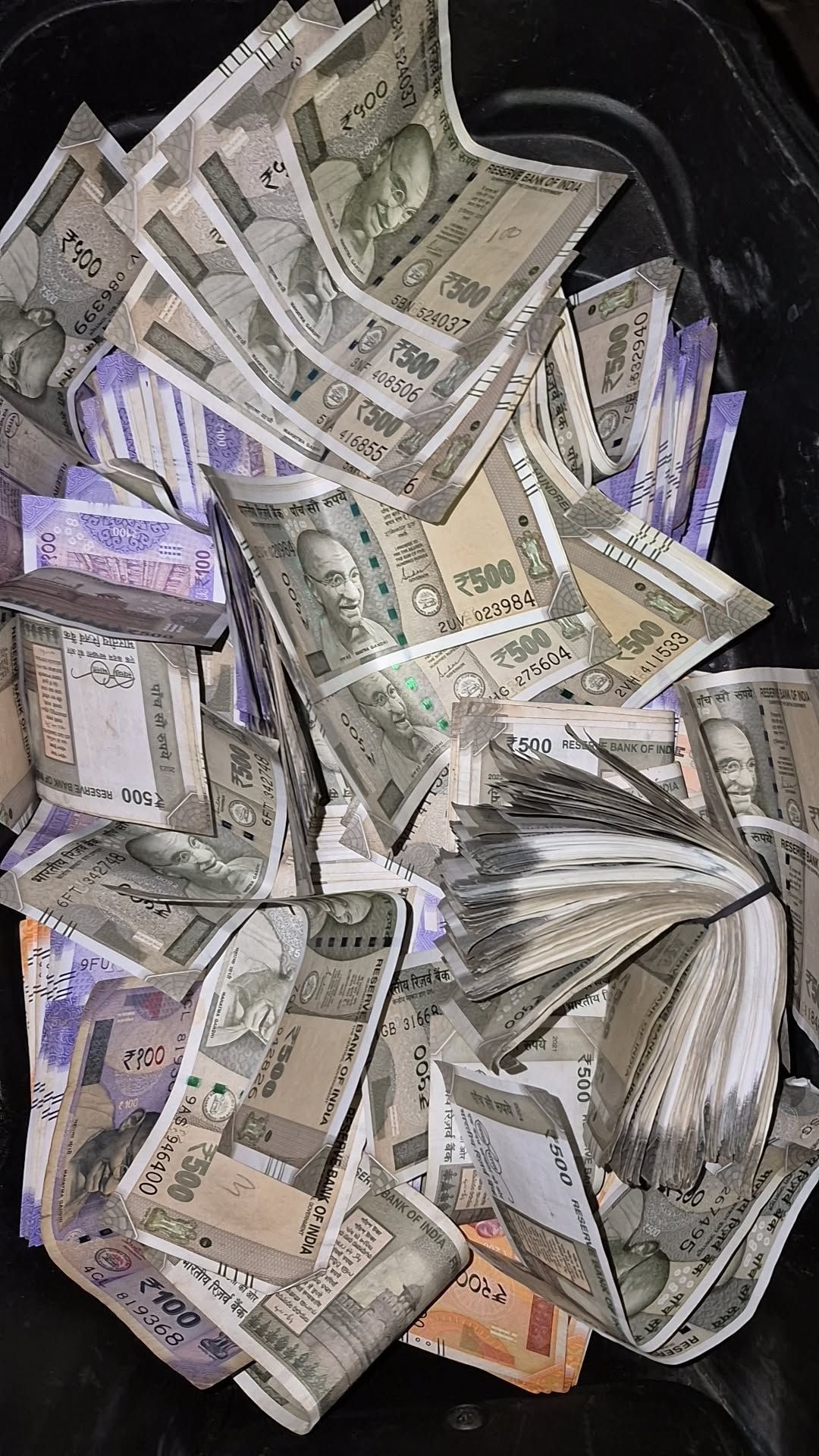
At the same time, the allure of performative luxury on social media is facing serious pushback. Staged photos with rented accessories, aesthetic cafe checks purely for social feeds, and exaggerated lifestyles feel increasingly disconnected from daily student life.
Students recognize that maintaining an artificial public image drains personal savings and creates needless anxiety. When your real world involves budgeting for metro tokens and finding affordable meals, pretending to live in continuous luxury is exhausting and unsustainable.
The Rise of Functional Authenticity
In place of performative trends, a more grounded, realistic campus culture is taking shape. Students are prioritizing genuine utility, sustainable daily routines, and honest peer interactions:
-
Valuing Rest Over Busy-ness: Recognizing that eight hours of sleep and a clear mind yield better problem-solving skills than an all-nighter.
-
Prioritizing Substance Over Status: Investing time in core technical skills and real projects rather than chasing flashy, empty titles.
-
Embracing Normalcy: Being open about budgeting constraints, academic difficulties, and personal downtime without feeling inadequate.
Dropping the performance mask frees up mental bandwidth, giving students the tools to handle acute stress when workloads spike, as examined in The Emergency Playbook: How College Students Handle Acute Deadline Panic.
👉 Read More:here