 Stress
The Emergency Playbook: How College Students Handle Acute Deadline Panic



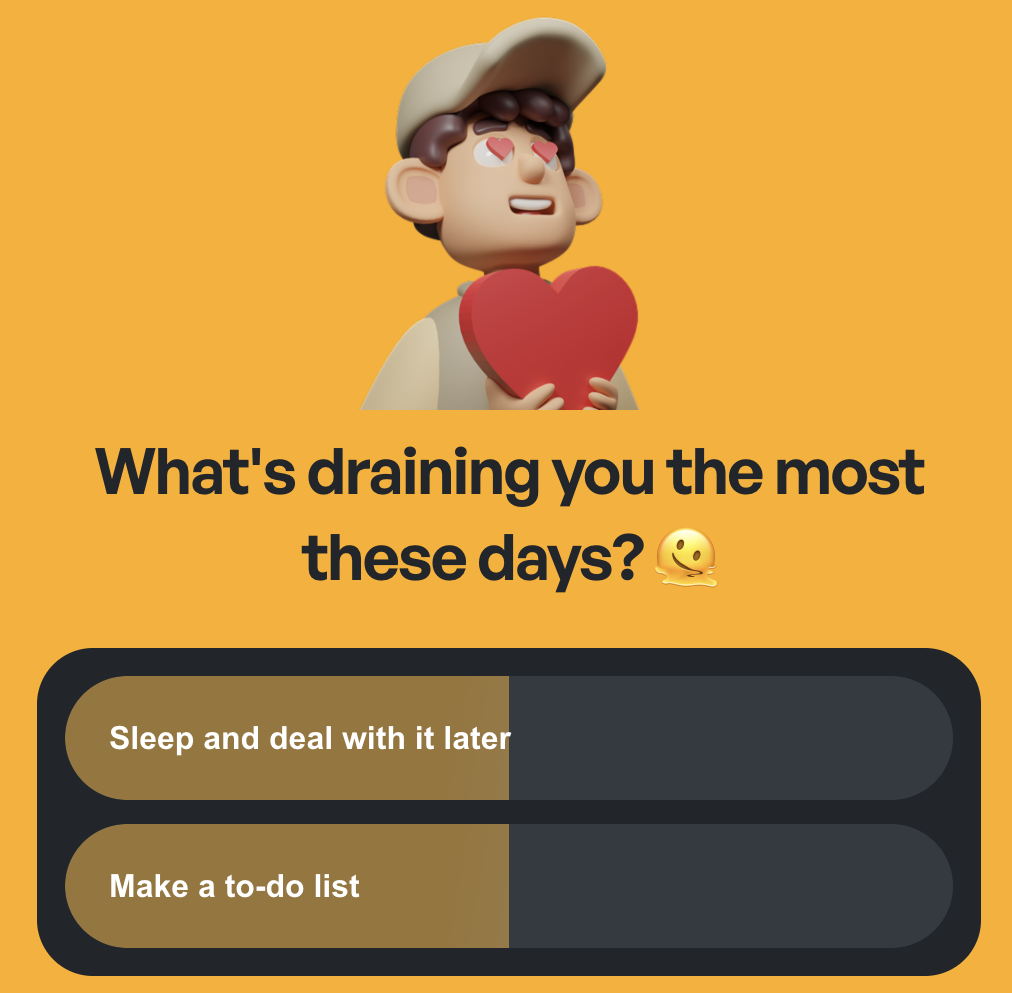
Featured Poll:
Question: "What's your go-to survival move when everything piles up? 🫠"
Options: Sleep and deal with it later | Make a to-do list
The Tipping Point of Academic Overwhelm
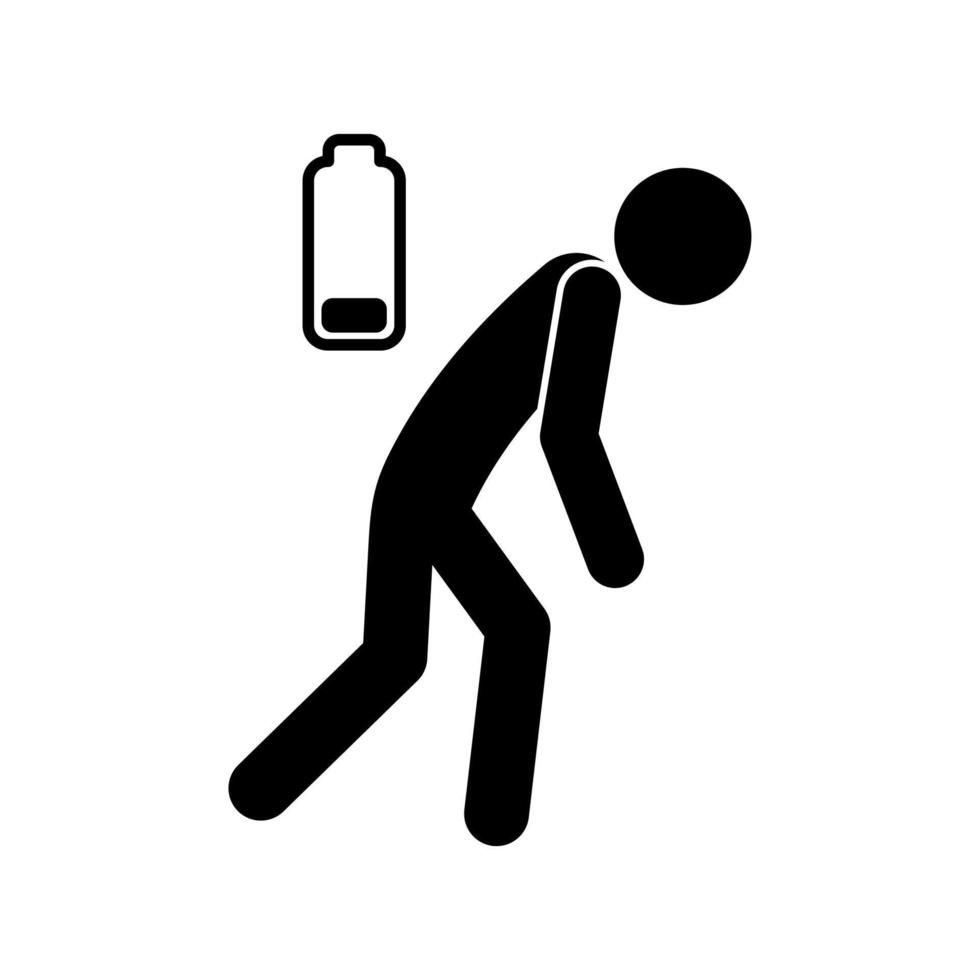
Every college student knows the specific feeling of hitting maximum capacity. It happens when two major assignments are due the next morning, mid-semester exams start in three days, unread group chat messages are piling up, and your energy is completely drained.
In these moments of high pressure, your brain can lock up. The sheer volume of incoming tasks creates an acute paralysis where starting any single task feels impossible. How a student responds in that critical hour determines whether they recover their momentum or crash entirely.
Strategy One: The Emergency Sleep Reset
One widespread coping mechanism is the complete shutdown: turning off devices, stepping away from the desk, and sleeping.
While critics might call this procrastination, students often use it as a necessary physiological defense. When cognitive overload peaks, continuing to stare at a screen produces diminishing returns. A two-hour sleep cycle resets stress hormones, clears mental fog, and allows the brain to process information in the background. You wake up with the same deadlines, but with the baseline focus needed to actually tackle them.
Strategy Two: The Tactical To-Do List
The alternative approach is immediate organization. In this scenario, the student channels panic into external structure: grabbing a notebook, listing every single pending task, and breaking them into tiny, manageable sub-steps.
Writing tasks down removes them from the chaotic loop of working memory. Seeing assignments laid out on paper transforms an abstract sense of dread into concrete, actionable steps. Checking off the first small task creates a quick psychological win, breaking the paralysis and restoring momentum.
Choosing Your Reset Method
Neither survival tactic is inherently superior; their effectiveness depends on the situation:
-
Use the Sleep Reset when physical exhaustion and emotional overwhelm make critical thinking impossible.
-
Use the Tactical List when uncertainty and disorganized tasks are the primary source of panic.
Learning how to navigate high-pressure moments helps you stay grounded through difficult semesters. Mastering personal resilience sets the stage for adopting smart, proactive money habits, a topic explored in The Financial Hindsight Guide: Essential Money Habits Learnt Too Late.
👉 Read More:HERE