The Campus Survival Report: Inside Delhi NCR’s Secret Mental Health and Burnout Crisis


The Campus Pulse: More Than Just Grades and Placements
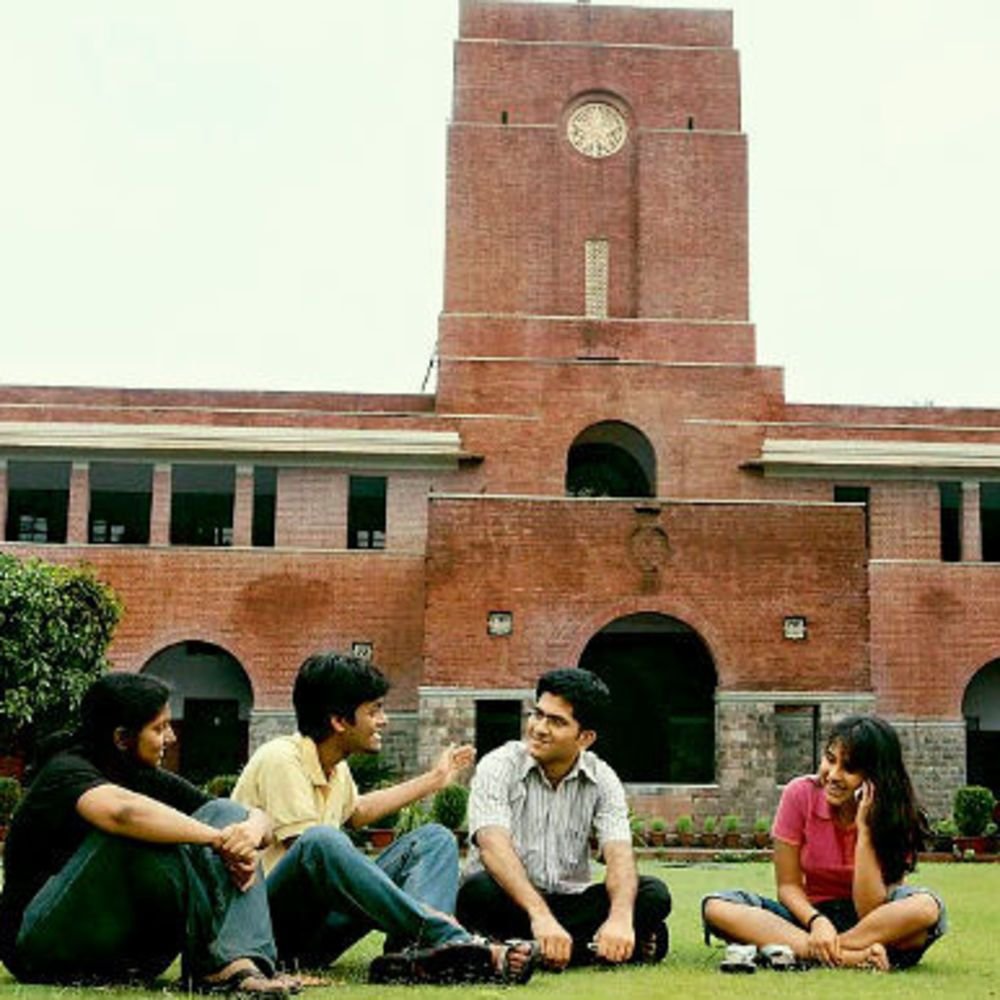
If you walk across any premier college campus in Delhi NCR-whether it’s the quiet tree-lined lanes of North Campus, the tech hubs in Dwarka, or the sprawling institutes in Noida—the energy on the surface looks electric. Students are running campus societies, prepping for summer placement cycles, hunting for internships, and meeting up at local cafes.
┌────────────────────────────────────────────────────────┐
│                   THE DAILY CAMPUS LOOP                │
│                                                        │
│   8:30 AM Lecture ──► Societies/Internships ──► Cafe   │
│         ▲                                         │    │
│         └────── 2:00 AM Doomscroll / Hustle ──────┘    │
└────────────────────────────────────────────────────────┘
On paper, this generation appears to be the most ambitious, digitally connected, and resourceful yet. But beneath the curated LinkedIn milestones and casual Instagram stories lies a starkly different reality. When students are given an anonymous floor to speak without social posturing, the narrative shifts entirely from external achievements to internal survival.
What the Community Data Tells Us
In an anonymous campus survey asking students to pinpoint their biggest daily struggle, the results cut straight through the typical "hustle culture" rhetoric:
Anonymous Poll Prompt: > "What's keeping you in survival mode lately? 🥱" > * Sleep: 69% of responses (78 votes)
Burnout: 31% of responses (35 votes)
While sleeplessness took the majority vote, the comments left by the student community revealed that these two choices are deeply interconnected. When asked what fuels this endless loop, the community weighed in candidly:
-
"Money stress"
-
"Career pressure"
-
"Family expectations"
-
"Nobody has life figured out"
The Anatomy of Campus "Survival Mode"
Survival mode isn't just an occasional bad week during end-semester exams; it has become an ongoing baseline for many 18-to-21-year-olds.
 ┌──────────────────────┐      ┌──────────────────────┐      ┌──────────────────────┐
 │   Career Pressure    │ ───► │  Revenge Bedtime     │ ───► │    Brain Fog &       │
 │   & Expectations     │      │  Procrastination     │      │    Silent Burnout    │
 └──────────────────────┘      └──────────────────────┘      └──────────────────────┘
1. Revenge Bedtime Procrastination
When 12 to 14 hours of your day are eaten up by metro commutes, mandatory attendance, assignments, and side projects, late nights become the only pocket of time you actually own. Trading sleep for solitary screen time is rarely about entertainment—it is an attempt to reclaim personal autonomy in a schedule that feels otherwise hijacked.
2. The Invisible Weight of Expectations
Unlike previous generations who followed linear paths, today's young adults are expected to be multi-hyphenates before graduation: full-time students, active networkers, portfolio builders, and self-funded earners. The fear of falling behind peers amplifies everyday academic stress into chronic anxiety.
3. Emotional Isolation in Crowded Rooms
The most telling revelation from anonymous discussion threads is the universal sense of solitude. While students feel pressured to project confidence, an overwhelming majority admit behind closed screens that they feel entirely unprepared for what comes next.
Sleep vs. Burnout: The Real Cost Breakdown
Escaping the Survival Loop: 4 Grounded Steps
Transitioning out of constant survival mode doesn't require overhauling your life overnight. It requires small, non-negotiable friction against the culture of chronic busyness:
┌────────────────────────────────────────────────────────┐
│               THE RECOVERY PLAYBOOK                    │
├────────────────────────────────────────────────────────┤
│ 1. The Screen-Free Sunset (30 mins before sleep)       │
│ 2. Strategic Micro-Rest (5-minute non-screen breaks)   │
│ 3. Selective Saying "No" (Cut low-value commitments)   │
│ 4. Vocal Vulnerability (Talk openly with real friends) │
└────────────────────────────────────────────────────────┘
-
Implement the Screen-Free Sunset: Put your phone on charge outside your arm's reach 30 minutes before your target sleep time. Breaking the midnight algorithmic loop is the single fastest way to reclaim 90+ minutes of restorative rest.
-
Normalize Micro-Rests Over Mega-Crashes: Instead of running on 100% until you collapse on Sunday, take intentional 5-minute pauses between study or work blocks without opening social media.
-
Audit Your Commitments: You do not need to be in five college societies, run two newsletters, and freelance simultaneously to prove your worth. Drop the lowest-value commitment that drains your energy.
-
Speak the Truth to Your Inner Circle: The fastest way to dismantle imposter syndrome is finding out your closest friends are just as uncertain about their future as you are.
The Lingering Question
If everyone on campus is secretly overwhelmed, tired, and figuring out life one day at a time who are we actually trying to impress by pretending we have it all under control??
READ MORE: here