 Fastfood
The Boomm Report: The FOMO Tax and Weekend Poverty


Welcome back to The Boomm Report. This week, we are tackling the silent killer of the Gen Z wallet: social spending. Whether it is a spontaneous cafe run, a midnight Zomato order, or pitching in for a friend's birthday gift, peer pressure is draining bank accounts faster than inflation. We took this to our community to find out exactly what breaks the budget by the 15th of the month.
The Psychology of 'Just One More Drink'
We all start the month with the best intentions. We make budgets, we download expense-tracking apps, and we swear we won't order out on weekdays. And then, Friday arrives.
Poll : Question: "Mahine ke end mein pocket khali hone ka sabse bada reason kya hai?"
Options: Dosto ka peer pressure (FOMO) 🍻 | Stress shopping/Sales 🛍️ | Overpriced cafe hopping ☕ | Faltu subscriptions 📺
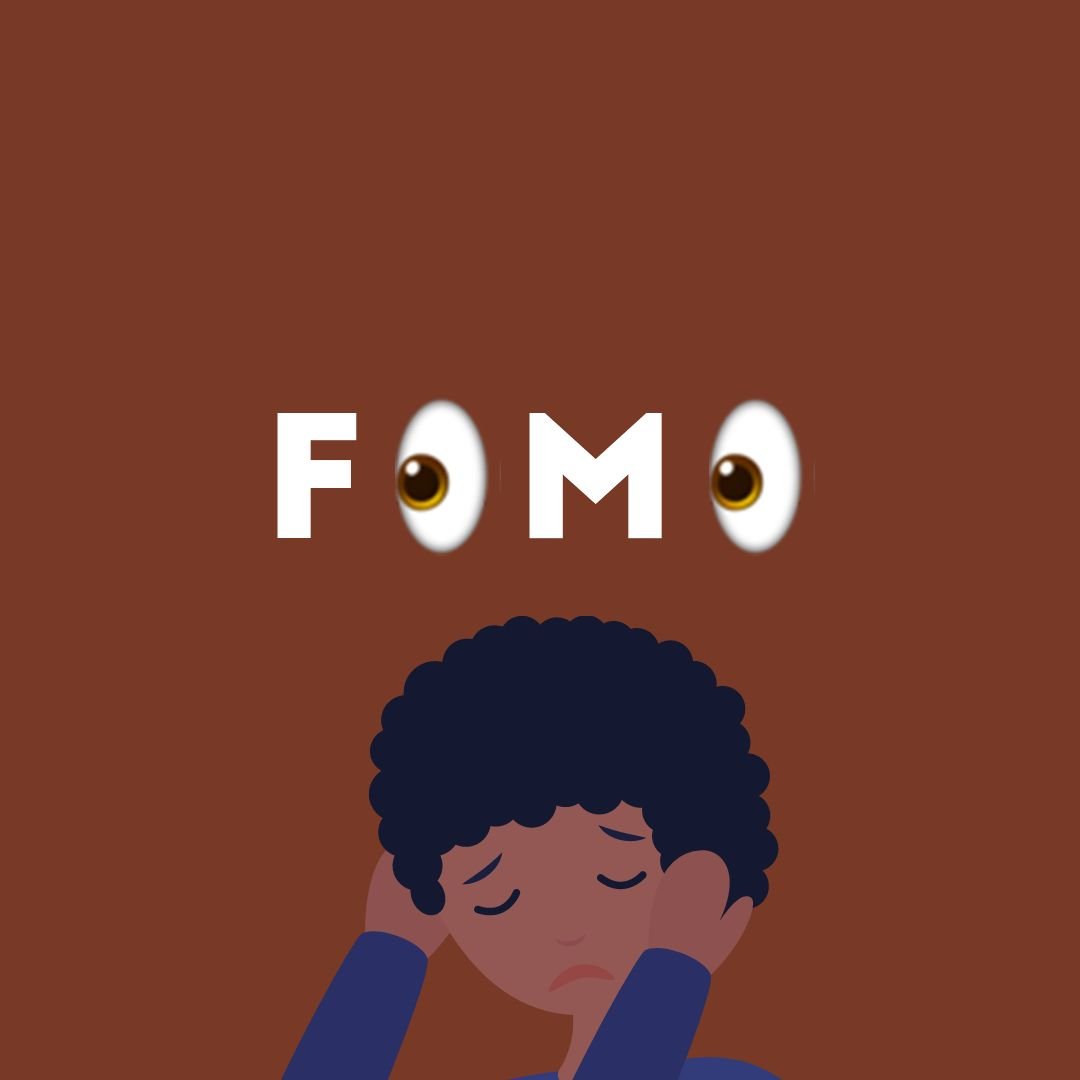
The results highlight a deep generational struggle. A massive chunk of the budget isn't lost to necessities; it is lost to "Dosto ka peer pressure (FOMO) 🍻" and "Overpriced cafe hopping ☕". This is the FOMO Tax. It is the money you spend not because you actually want the item or the experience, but because you are terrified of being left out of the group chat's core memories.
We are seeing a cycle of impulsive buying driven heavily by stress, FOMO, and overthinking. The need to belong on campus or in your new corporate friend group forces you to swipe your UPI, even when you know your account balance is begging for mercy.
The Power of Comments and Peer Validation
Why are we so easily influenced to spend? It comes down to where we place our trust.
When asked which scenario would most make them try or buy a product, the top answer among youth was positive comments (34%). We seek validation from our immediate circles. If your friends are buying a specific brand of sneakers or hyping up a new aesthetic cafe, that acts as the ultimate "positive comment."
Interestingly, brand posts came in at just 2% for driving purchase intent. The content brands spend the most time and money polishing is often the least persuasive. We don't care about the high-production Instagram Reel of the cafe; we care that our friends are going there. Our spending is dictated entirely by community proof.
Breaking the Faltu Loops
So, how do we say goodbye to these "Dimaag Ke Faltu Loops" (unnecessary mental loops) and stop overspending?
It starts with normalizing the word "No." There is a massive shift happening right now. Young adults in metro cities are slowly dropping the need for material show-off and instead prioritizing mental peace and quiet stability. Refusing a weekend plan because it doesn't fit your budget is no longer seen as "lame"—it is starting to be recognized as a necessary boundary for financial survival.
The Bottom Line
You cannot budget your way out of intense peer pressure. True financial management in your twenties requires you to curate your circle just as strictly as you curate your spending. Stop paying the FOMO tax, because the people who truly care about you won't judge you for ordering a plain coffee instead of a ₹400 frappuccino.